
How to Prevent Insects on Roses in New Zealand
Keeping your roses healthy and free from insect pests is one of the best ways to enjoy strong growth, glossy foliage, and beautiful blooms throughout the season. While it’s normal to see the occasional insect in the garden, a healthy rose is far less likely to suffer serious damage than one that is stressed or neglected.
The good news is that preventing insect problems is usually much easier than treating a major infestation. With a few simple habits, your roses can thrive and continue producing spectacular flowers year after year.
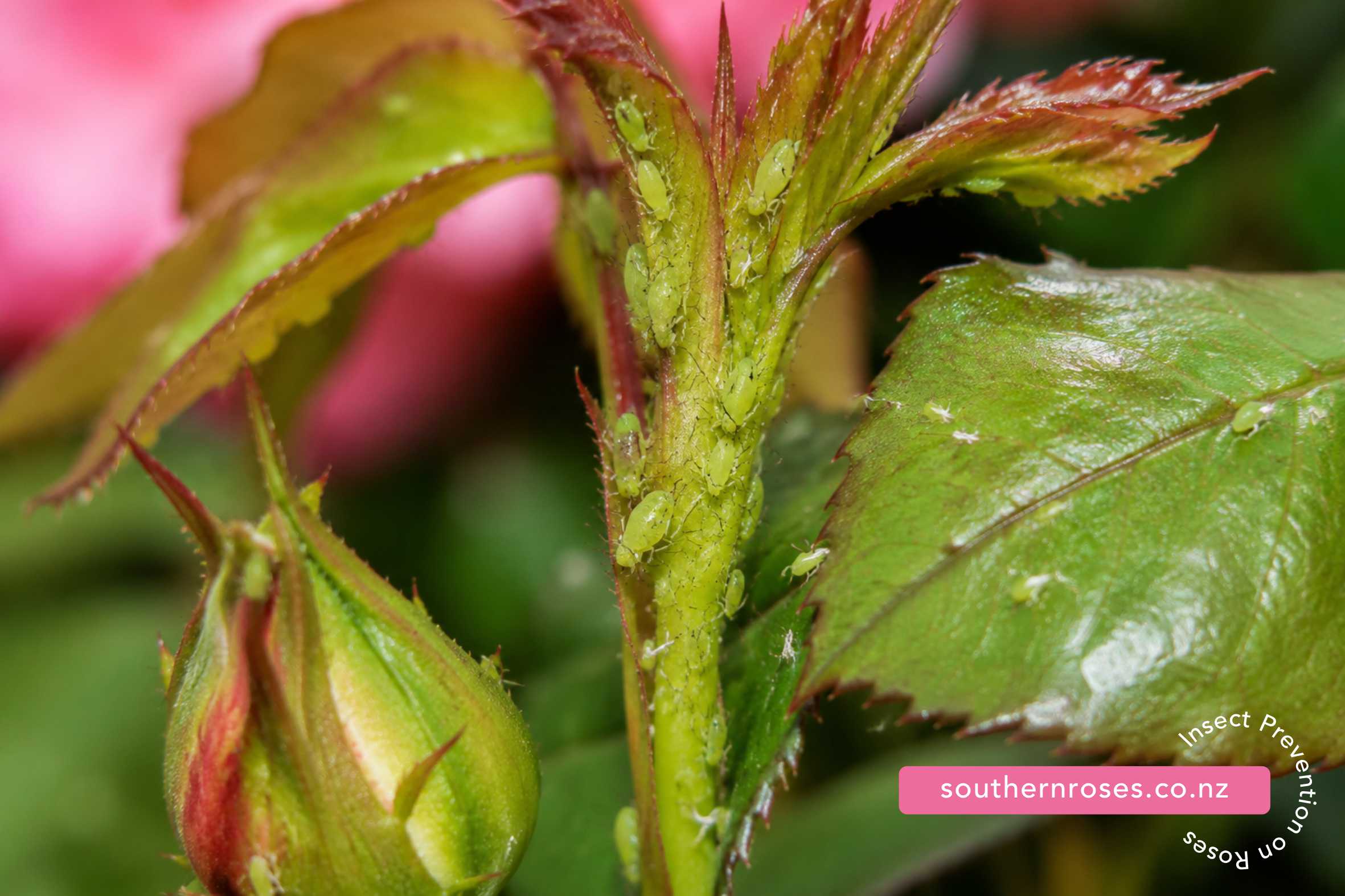
Common Rose Insects in New Zealand
Several insects can affect roses throughout New Zealand, particularly during spring and summer when new growth is soft and tender.
The most common pests include:
-
Aphids (greenfly and blackfly)
-
Two-spotted spider mites
-
Thrips
-
Scale insects
-
Caterpillars
-
Leaf-rolling insects
Most of these pests feed on young shoots, buds, or leaves, reducing plant vigour and affecting flowering if left untreated.
1. Start with Healthy Roses
The strongest defence against insects is planting healthy, quality roses from a reputable nursery.
Healthy roses establish faster, grow stronger root systems, and naturally tolerate minor pest activity much better than weak or unhealthy plants.
Choose varieties that are known for excellent garden performance and keep them growing vigorously with regular care.
2. Plant Roses in Full Sun
Roses love sunshine.
Aim for at least six hours of direct sunlight each day.
Sunny positions help leaves dry quickly after rain, encourage stronger growth, and create conditions that are less favourable for many pests and diseases.
Avoid planting roses where air circulation is poor or where plants remain damp for long periods.
3. Water Properly
Stressed plants attract pests.
Water deeply rather than frequently, encouraging roots to grow deeper into the soil.
Try to water the soil instead of the foliage, especially during warm weather.
Consistent watering helps roses remain healthy and able to recover quickly from any minor insect damage.
4. Feed Roses Regularly
Well-fed roses naturally produce stronger stems, healthier leaves, and more flowers.
Use a quality rose fertiliser during the growing season according to the manufacturer’s recommendations.
Healthy growth is much more resilient against insect attack than nutrient-deficient plants.
5. Encourage Beneficial Insects
Not every insect is a pest.
Many beneficial insects actually help control harmful insects naturally.
Look after your garden’s natural helpers such as:
-
Ladybirds
-
Lacewings
-
Hoverflies
-
Predatory wasps
These beneficial insects feed on aphids and other common rose pests, reducing the need for spraying.
Planting companion flowers nearby can help attract these useful garden allies.
6. Inspect Roses Every Week
Early detection is the key to preventing major infestations.
Spend a few minutes each week checking:
-
New shoots
-
Flower buds
-
Underneath leaves
-
Soft growing tips
If you spot a small group of aphids early, they can often simply be washed off with a firm jet of water before they multiply.
7. Keep Your Garden Clean
Garden hygiene makes a big difference.
Remove:
-
Fallen leaves
-
Dead flowers
-
Damaged foliage
-
Weeds around the base of plants
This removes hiding places for insects and improves airflow around your roses.
8. Prune for Good Airflow
Winter pruning and occasional summer tidying encourage an open plant structure.
Better airflow helps keep roses healthy while making it more difficult for insects to establish large populations.
Removing crowded or crossing stems also allows you to inspect your roses more easily.
9. Use Eco-Friendly Controls First
If insect numbers begin increasing, start with the least aggressive solution.
Options include:
-
Washing insects off with water
-
Hand removal where practical
-
Insecticidal soap
-
Horticultural oils
These methods are often very effective when applied early and have less impact on beneficial insects than broad-spectrum insecticides.
Always follow product directions carefully.
10. Monitor During Spring
Spring is when roses produce rapid new growth—and unfortunately when many insect pests become active.
Checking your roses once or twice each week during spring allows you to deal with problems while they are still small.
A few minutes of regular observation can save hours of treatment later in the season.
Healthy Roses Are Naturally More Resistant
The healthiest gardens are rarely those that receive the most spraying—they’re the ones where plants are growing in the right conditions.
By providing sunshine, good soil, regular feeding, consistent watering, and routine inspections, you’ll greatly reduce the chance of serious insect problems.
Most roses can coexist with small numbers of insects without affecting their beauty, and many beneficial insects will help keep nature in balance.
Find Quality Roses at Southern Roses
At Southern Roses, we grow quality roses suited to New Zealand gardens. Whether you’re planting your very first rose or expanding an established collection, healthy plants are the foundation of a beautiful, long-lasting garden.
Browse our extensive range of potted and bare-root roses and enjoy beautiful blooms season after season.